Product Description
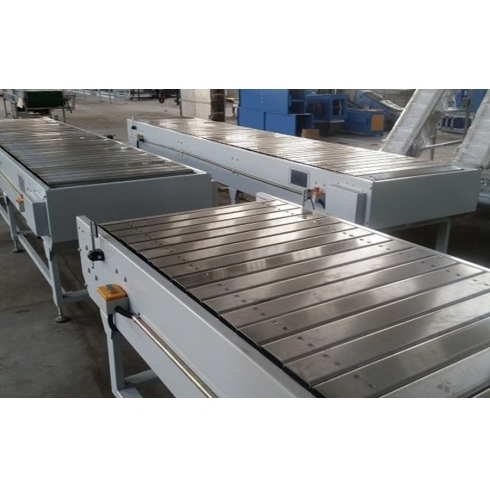
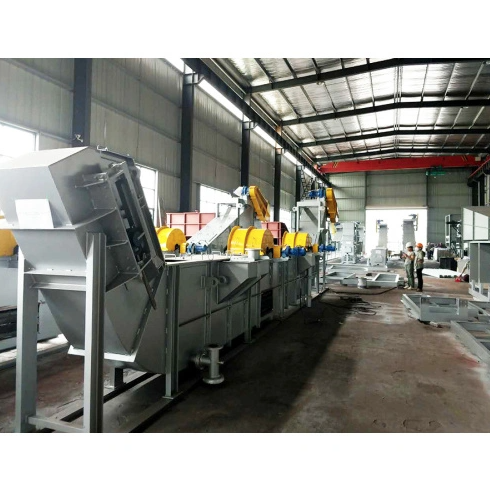
The Flat Belt Conveyor is a versatile and ubiquitous piece of equipment in the industrial sector, known for its simplicity and efficiency in transporting goods and materials across various distances and gradients. Characterized by a flat, continuous belt surface, it facilitates the smooth and stable movement of items from one point to another, making it a staple in assembly lines, packaging operations, and material handling processes.
Constructed with a series of pulleys (or rollers) at either end, the flat Belt Conveyor operates by rotating the belt around these pulleys, creating a consistent and controlled motion. The belt itself can be made from various materials, including rubber, PVC, fabric, or metal, depending on the specific requirements of the application, such as weight capacity, environmental conditions, and the nature of the materials being transported. Conveyor Machine
One of the key advantages of flat belt conveyors is their adaptability. They can be designed to fit different spatial configurations and can handle a wide range of product sizes and weights. Additionally, these conveyors can be easily integrated into existing production lines and automated systems, enhancing efficiency and reducing manual labor.
Flat belt conveyors are particularly favored in industries where precision and gentle handling of products are required. For instance, in the electronics industry, they are used to transport delicate components with minimal risk of damage. Similarly, in the food and beverage industry, they are preferred for their ability to move products in a hygienic and controlled environment, often constructed with food-grade materials that are easy to clean and maintain.
Moreover, the flat belt design minimizes the risk of product slippage or tipping, ensuring that items remain in place during transportation. This feature, coupled with the conveyor's ability to move products at various speeds, allows for a high degree of control over the production process, contributing to improved throughput and productivity.
The maintenance of flat belt conveyors is relatively straightforward, involving regular inspections and adjustments to ensure optimal performance. The simplicity of their design means that there are fewer moving parts that require maintenance or replacement, leading to lower operating costs over the conveyor's lifespan.
In conclusion, the flat belt conveyor represents a critical element in the smooth operation of numerous industrial and manufacturing processes. Its efficiency, reliability, and adaptability make it an invaluable tool in the modern production landscape, streamlining operations and enhancing the overall productivity and efficiency of businesses.


 Jiangsu Liyuan Heavy Industry Machinery Co., Ltd





 Contact Now